

Alopecia Areata
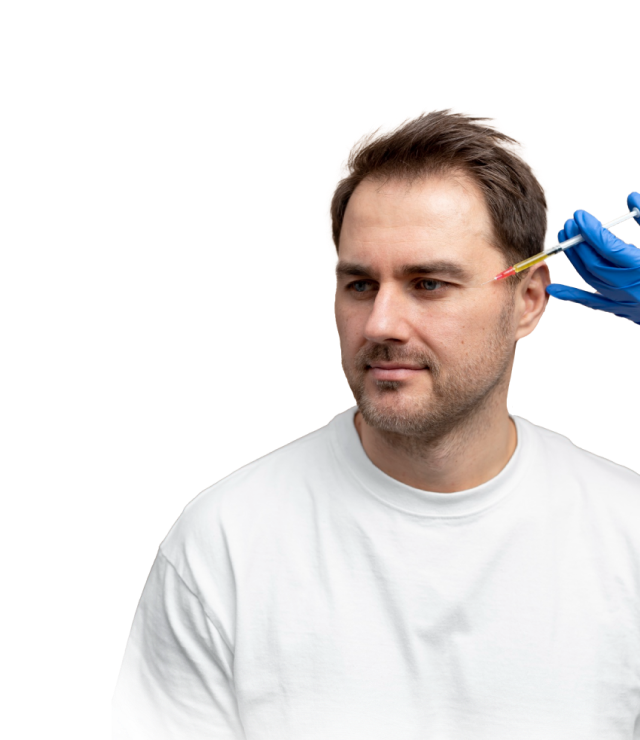
Take control of your scalp and hair health today with experienced specialists you can trust. At PADRA Clinic, we listen to your needs, assess the severity of alopecia areata, and provide efficient treatment options. Note that we adopt a medical and holistic approach to stimulate your dormant hair follicles and rejuvenate your scalp.


What’s Alopecia Areata?
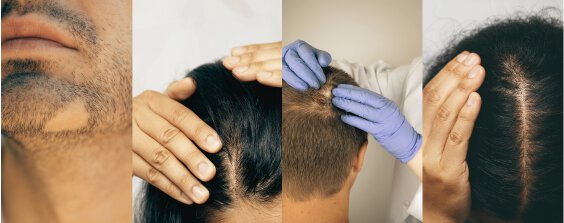
It is an autoimmune condition that causes sudden, unpredictable patchy hair loss on your scalp, eyebrows, beard, and other parts of your body. Think of your body’s immune system mistakenly attacking hair follicles. This disrupts your normal hair growth cycle, which can lead to noticeable bald spots on your scalp.
The most common cause of alopecia areata is an autoimmune dysfunction in which your body’s immune system mistakenly targets hair follicles. Genetics can also cause alopecia areata. That means you are more susceptible to this condition if your family has a history of alopecia areata. Other causes of alopecia areata include viral infections, hormonal imbalance, nutritional deficiencies, stress, and anxiety.
It is crucial to note that there is currently no permanent cure for alopecia areata. Fortunately, PADRA Clinic offers a range of effective treatments to reduce the severity of your condition and stimulate hair regrowth. Whether you have patchy hair loss, you have lost hair across your entire scalp, or you are experiencing significant hair loss in other parts of your body, let our specialists help.

Restore Your Confidence with PADRA Clinic
When dealing with an autoimmune condition, such as alopecia areata, it is best to consult a specialist with expertise in alopecia areata. PADRA Clinic has helped many patients successfully manage this condition and regrow hair. Founded in the Middle East 20 years ago, our mission has always been to provide advanced hair restoration and other aesthetic treatments.
Our team comprises medically trained professionals with board certifications and extensive experience. Before recommending any treatment option to manage alopecia areata, we will perform thorough assessments. Next, we will recommend a series of targeted treatments, such as topical corticosteroids, low-level laser therapy, platelet-rich plasma therapy, or intralesional injections.
At PADRA Clinic, we understand that alopecia areata affects individuals differently. That is why we take a personalized approach to help manage the condition successfully. Here’s why patients in Toronto and across the world trust us:
- Over 100,000 successful treatment cases.
- Maintained an average rating of 4.9/5.
- Access to advanced medical techniques and technologies.
- An in-house team of highly experienced medical professionals.
Hair Transplant Timeline
What to Expect in the Coming Weeks and Months Following a Hair Transplant.
-
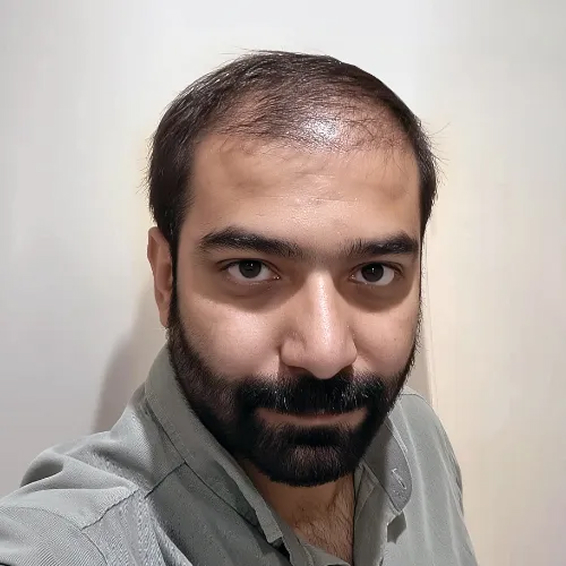
Before

Before Hair Transplant
The scalp is prepared, and the hairline is designed.
-
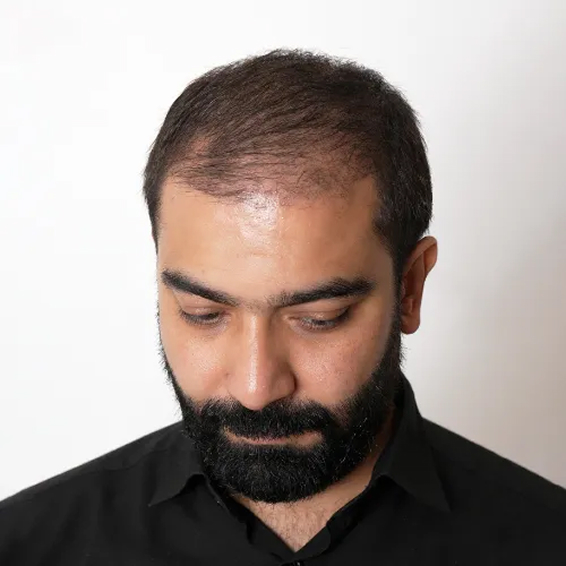
10 days
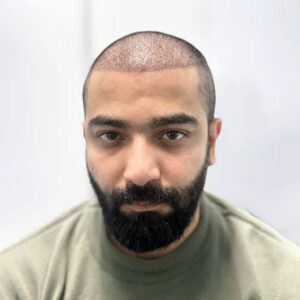
10 Days After Hair Transplant
Healing is complete, and scabs begin to fall off.
-
2 month

2 Months After Hair Transplant
New hair starts to grow.
-
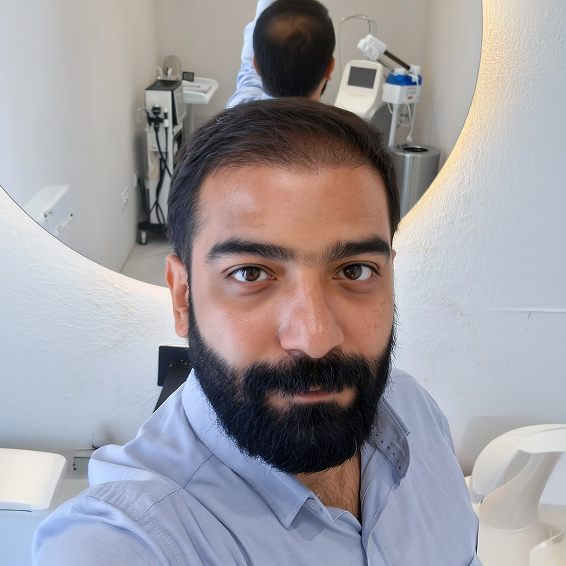
3 month
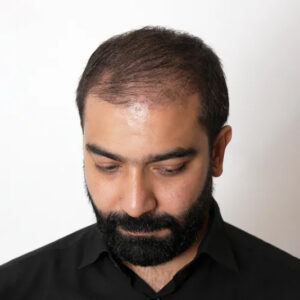
3 Months After Hair Transplant
New hair becomes more visible.
-
4 month
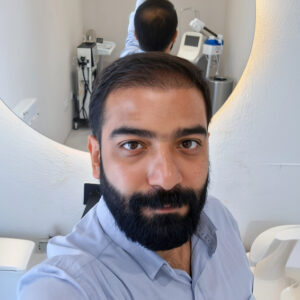
4 Months After Hair Transplant
Hair thickens and density increases.
-
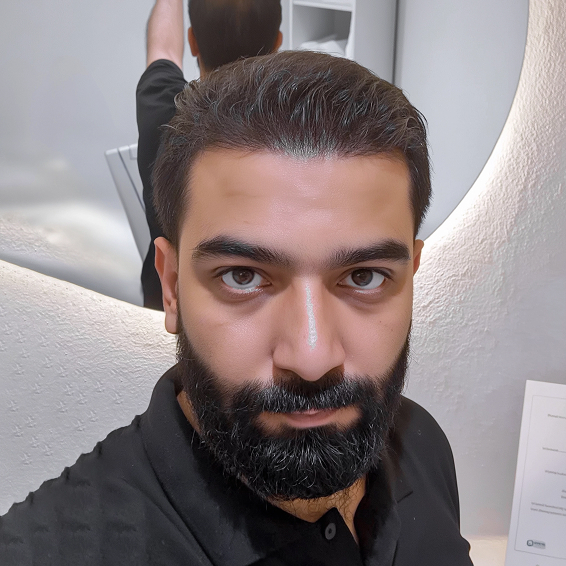
5 month
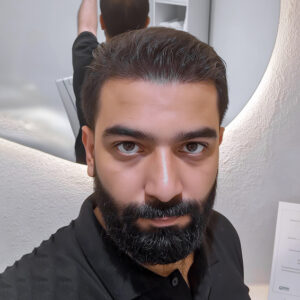
5 Months After Hair Transplant
Significant hair length and improved density.
-

Two Decades of Expertise
Over 20 years of refined medical aesthetics, bringing advanced techniques and trusted results shaped by thousands of successful treatments.
-

Premium Services
A curated range of advanced treatments that prioritize safety, comfort, and visible results tailored to each client’s needs and beauty goals.
-

Exclusive Airport Transfer
Complimentary private airport pickup for international clients. Your comfort and peace of mind begin the moment you arrive.
-

Refined Luxury Experience
We offer world-class clinical care within a beautifully designed setting created to exceed expectations throughout your aesthetic journey.
-

Genuine Clients
Thousands trust us because of real referrals, honest care, and results that consistently speak for themselves.
-

Global Presence Standard
Padra follows internationally recognized protocols to ensure elite and consistent quality of care for every patient.
-

Private Recovery Suites
Recover in comfort within private, fully equipped suites designed for discretion, healing support, and complete relaxation after your treatment.
-

Personalized Treatment Planning
Each procedure begins with a detailed medical consultation and customized strategy designed around your unique hair structure, expectations, and long-term aesthetic vision.
Hair Transplant Procedure Step by Step
Padra Clinic is a trusted leader in hair restoration, combining medical expertise, modern technology, and a proven track record to deliver natural results with care, precision, and over 20 years of experience.
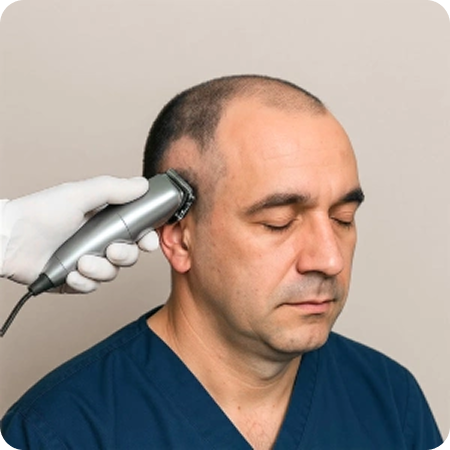
Shaving
Before your hair transplant surgery, we will ask you to wash and shave your head, leaving about 2-3 millimeters of hair strands. This makes the extraction and implantation of the grafts much easier.
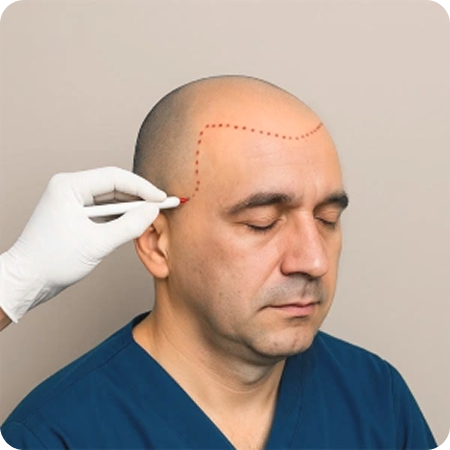
Hairline Design
Our hair transplant specialists carefully outlines the boundaries of your hairline based on natural hairline patterns and the ideal forehead-to-hair ratio to achieve natural-looking results.
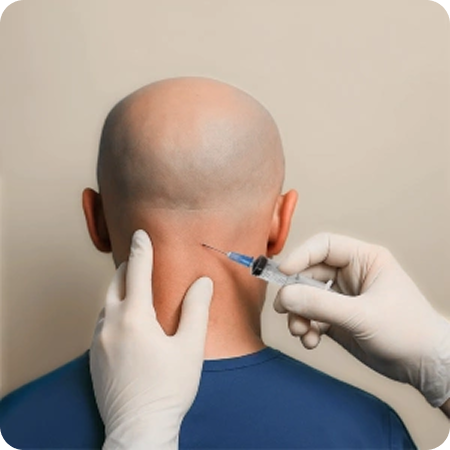
Anesthesia
Local anesthesia is administered to your scalp to ensure you do not feel any pain or discomfort during the procedure. Fresh injections are given as needed throughout the procedure.
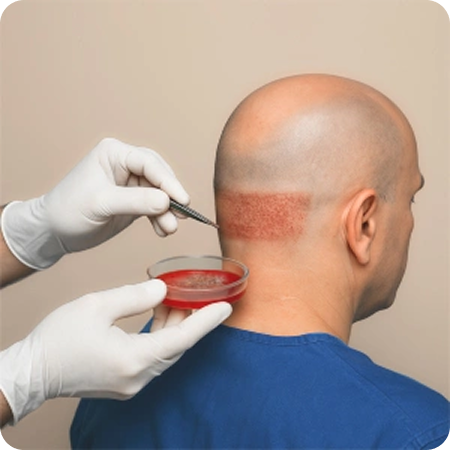
Extraction
Healthy and viable hair follicles are individually harvested using specialized punch tools from the hair bank, often located at the back or sides of the head.
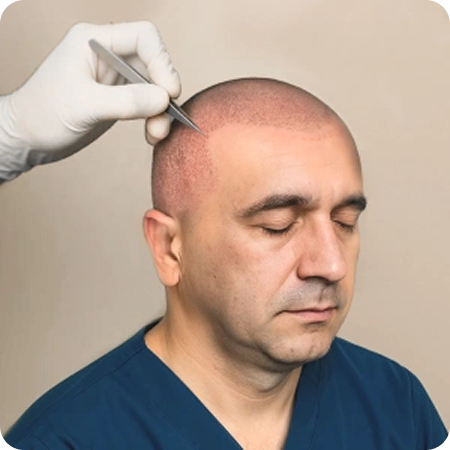
Implantation
The hair transplant surgeon makes small incisions in the receiving areas of the scalp and places the grafts into them. This is a delicate procedure, as the correct placement and angulation of the grafts ensures natural-looking results.
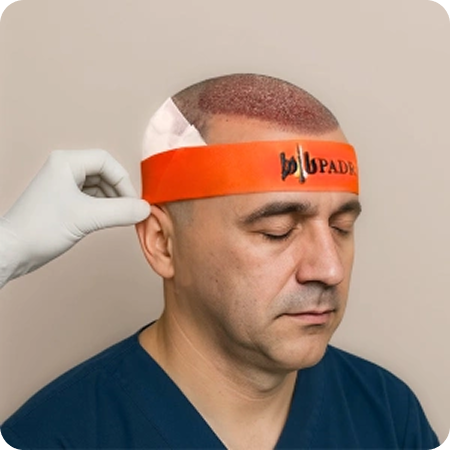
Dressing
After the procedure, your head is bandaged, and you will be given detailed aftercare instructions. Following these instructions is a vital step in ensuring the operation’s success.
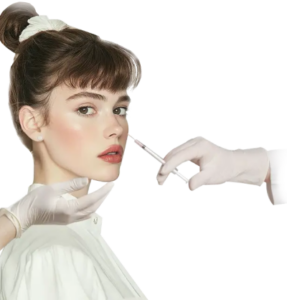
Hair Transplant Aftercare
The cost of a hair transplant primarily depends on the number of grafts required to cover the balding areas of your scalp. You’ll need more grafts if the balding areas are extensive, increasing the overall cost. Additionally, other factors influence the final price of your hair transplant, including the surgeon’s expertise, the technique used for the procedure, and any prescribed medications. You can use the tool below to estimate the number of grafts needed.
This is the most vital part of your hair transplant aftercare. During this period, there is a risk of graft movement or dislocation.
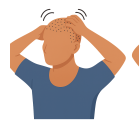
Avoid Touching the Grafts
This is the most vital part of your hair transplant aftercare. During this period, there is a risk of graft movement or dislocation.
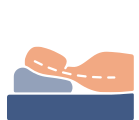
Sleeping Position
Sleep with your head elevated to reduce swelling.
Avoid Physical Activity
Steer clear of strenuous activities to prevent increased blood flow to the scalp.
At this point, you can relax a little and return to your daily routine. Washing and cleaning your scalp is also added to your aftercare routine.
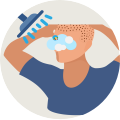
Gentle Washing
Begin washing your hair gently with a mild shampoo as per your surgeon’s instructions.

Avoid Direct Sunlight
Protect your scalp from direct sun exposure; wearing a loose-fitting hat is advisable.
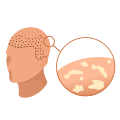
Don`t Scratch the Scabs
Do not touch the scabs on your scalp; let them fall off naturally without any interference.
Post-op
The scabs should have fully healed by now, eliminating any risk of graft displacement. You may begin some light activities.
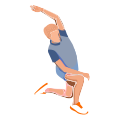
Gentle Washing
You may gradually return to light physical activities but avoid heavy lifting or intense workouts.
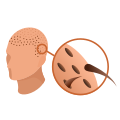
Avoid Direct Sunlight
Be prepared for the transplanted hairs to shed; this is a normal part of the process.
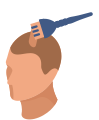
Don`t Scratch the Scabs
Do not use gel, spray, or oils during this stage.
Congratulations! You are done with your hair transplant aftercare regimen for the most part and should begin to see results.
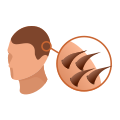
Gentle Washing
You may gradually return to light physical activities but avoid heavy lifting or intense workouts.

Avoid Direct Sunlight
Be prepared for the transplanted hairs to shed; this is a normal part of the process.

Don`t Scratch the Scabs
Do not use gel, spray, or oils during this stage.
Alopecia Areata Treatment Results From Real Patients
Explore before-and-after photos from patients who trusted PADRA Clinic to manage alopecia areata and support hair regrowth. Remember, consistent follow-up treatments can improve scalp health and restore fuller-looking hair.






Schedule Your Consultation at Our Toronto Clinic
Speak with trained, board-certified specialists with 20+ years of experience and 100,000+ successful treatment cases worldwide. Book your appointment today and receive a personalized treatment plan to manage your hair loss.

Start your Journey with us
Join us for a journey through the latest advancements in aesthetic technic, success stories, and exclusive content.
Regain Control of Your Hair Health with PADRA Clinic
PADRA Clinic is a reputable and trusted provider of hair loss treatments, transplants, and other aesthetic treatments. With a global presence, impressive ratings, and 95% client loyalty or referral rate, you can trust us to help manage and treat alopecia areata. Here are some of the treatment options we recommend.
Are Topical Treatments for Alopecia Areata Effective?
Over the years, there have been breakthrough therapeutic treatment options for alopecia areata. While there is no cure for this condition, PADRA Clinic works with you to assess your hair loss condition and determine topical treatments to manage alopecia areata effectively. With our deep understanding of various hair conditions and how topical treatments work, we recommend a treatment option that best helps regrow your hair.
You can apply topical treatments directly to the affected area, such as the eyebrow area, scalp, beard, and more. Most of our patients prefer the topical treatments to oral or injected ones because they have side effects that are more manageable. Additionally, our specialists will assess your condition and recommend topical treatments to achieve the best possible outcome. Some of these treatments include:
- Corticosteroid lotion.
- Minoxidil lotion or foam.
- Calcipotriol/Calcipotriene ointment.
- Janus Kinase lotion, ointment, or cream.
Our experienced medical professionals will recommend the best corticosteroids and other topical treatments to stimulate hair growth in the affected area.
Intralesional Injections for Alopecia Areata
The loss of hair associated with Alopecia Areata can be distressing. However, it’s crucial to mention that the condition doesn’t cause permanent damage to the hair follicles. The hair follicles in the affected area remain intact below your skin, which makes regrowth possible once our specialists control the inflammation.
That’s why we may recommend Intralesional injections of corticosteroids to affected areas. Corticosteroids are a synthetic version of the hormones that your adrenal gland produces naturally. They are widely used to control inflammation and suppress overactive immune responses.
When it comes to the treatment of alopecia, our specialists administer corticosteroids in the form of Intralesional injections to calm the immune cells that may be attacking hair follicles, minimize local swelling, and stimulate hair growth. To ensure the best possible outcomes, we pay attention to the following:
- The concentration of the corticosteroids depends on the area being treated.
- Volume per site.
- Specific dosage per treatment session.
- Severity of your alopecia areata (hair loss).
At PADRA Clinic, we use advanced technology to ensure the injections deliver corticosteroids to the affected area.
Advanced Plasma Therapy for Hair Loss
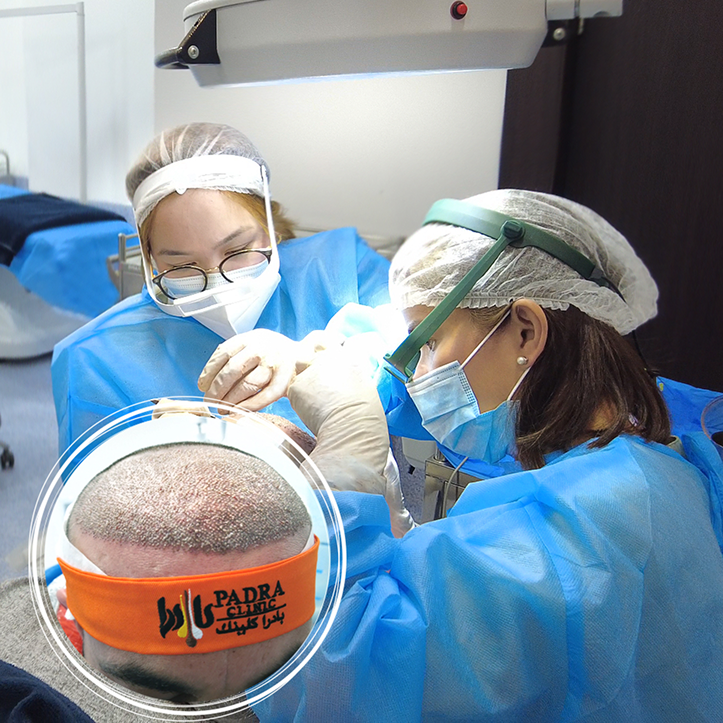
Platelet-rich plasma therapy is a minimally invasive and non-surgical treatment designed to use your body’s platelets to stimulate and support hair growth in areas affected by alopecia areata. To start the treatment, our specialists draw a small amount of blood and process it using a centrifuge to isolate the platelets.
Next, the concentrated (platelet-rich) plasma is injected back into the specific areas affected by hair loss to stimulate tissue repair, natural healing, and hair regrowth. Your platelets have unique growth factors that reactivate dormant hair follicles, trigger hair growth, and continue to support stronger and healthier hair.
It’s crucial to mention that the platelet-rich plasma is obtained from your own blood. Thus, the treatment is usually successful. Generally, our patients prioritize advanced plasma therapy over other treatment options for alopecia areata due to the following benefits.
- Minimal or no downtime after each treatment session.
- Minimally invasive treatment that involves an injection into the affected area.
- Personalized and thorough assessments are conducted before treatment begins.
- Long-lasting results following successful treatment.
During the treatment period, our specialists will monitor your progress and adjust your advanced plasma therapy as needed.
Low-Level Laser Therapy for Hair Growth
Low-level laser therapy is a non-invasive approach to alopecia areata treatment that stimulates cellular growth or activity in your scalp. It uses a specific light wavelength to trigger weak and dormant hair follicles to start growing. Think of it like ‘jumpstarting’ your hair follicles.
At PADRA Clinic, your low-level laser therapy starts with a thorough assessment. You’ll sit with our specialists for a detailed evaluation of your scalp health and areas affected by alopecia areata. Based on the severity of your condition and treatment goals, we will personalize your treatment plan to ensure the best possible results.
One aspect that sets PADRA Clinic apart is that we use advanced technology to deliver the right laser therapy to stimulate your follicles. Considering the recurring nature of alopecia areata, you may need several treatments. Here’s why our patients choose our low-level laser therapy to manage alopecia areata or other hair loss conditions.
- No scarring.
- Painless procedure that takes a short time.
- Higher success rate in stimulating dormant hair follicles.
- It can be easily combined with other treatment options.
At PADRA Clinic, we have access to the state-of-the-art low-level laser therapy tech. Schedule an appointment today.
Review Block
Hear from those who have trusted Padra with their hair and beauty journey!
Frequently Asked Questions
Find clear answers to common questions about hair restoration and aesthetic treatments, including procedures, recovery, and care. Our FAQ section is designed to help you feel informed and confident.
-
Alopecia areata is an autoimmune disorder in which your immune system mistakenly attacks hair follicles. This disrupts the hair growth cycle, leading to patchy hair loss on the scalp, eyebrows, beard, or body. It can be linked to genetics, stress, or immune triggers.
-
Alopecia areata does not permanently destroy hair follicles, which means regrowth is possible. However, the condition can be recurring and unpredictable. While there is no guaranteed permanent cure, treatments can reduce inflammation, stimulate follicles, and support stronger regrowth over time.
-
Effective treatments depend on severity and location. PADRA Clinic may recommend topical treatments, intralesional corticosteroid injections, platelet-rich plasma therapy, or low-level laser therapy. Many patients benefit from combining treatments to control inflammation and stimulate dormant follicles safely for hair regrowth.
-
Yes, platelet-rich plasma therapy may help some patients regrow hair by delivering growth factors from your own blood into affected areas. These growth factors support healing and follicle stimulation. Results vary by individual, but PRP is often used as part of a combined treatment plan.
Got more questions?
If you still have questions or need personalized guidance, our team is here to help. Reach out to Padra Clinic to learn more about treatments, consultations, and the care options best suited for you.